Showing posts with label Container Gardens. Show all posts

Thursday, April 10, 2014

Some Great Spring Gardening Tips 2014


Compliments of The helpful gardener
This year I need all the help that I can get to make the most amazing garden in the universe. I WANT to be called the Ninja Gardener heee.. 
Great Spring Gardening Tips 


Pruning
For early blooming shrubs such as forsythia and viburnum, 

prune them as soon as blooms have passed. Early 
spring is also an ideal time to prune your roses.
Deadheading
Remove spent flowers from bulbs, 

but leave the rest of the plant as is for the time being.
Weeding
Pull weeds from your beds and borders 

before they have a chance to take hold and spread.
Composting
Tend to your compost if it has been neglected 

over the winter. If you do not have a compost bin, 
spring is a great time to start one.
Tools
Spring is a good time to prepare your tools 

for the oncoming gardening season and to make 
any necessary repairs or new purchases. You will 
be happy you have done so when summer sets in.
Plant
Spring is a great time to add new 

plants to your garden. Be sure, however, that 
all threat of frost has past. Plant such things trees, 
shrubs, hardy annuals, and summer blooming bulbs.
Fertilize & Mulch
Fertilize and mulch beds and borders. 

Spring is also a good time to fertilize fruit trees. 
If you applied heavy winter mulch for protection from 
the cold, you will need to clear it away.
Staking
Stake plants that may be prone to wind damage 

during the unpredictable spring weather.
Lawn Care
Spring is the best time to start a new lawn from 

seed. For established lawns, you should start 
mowing in the spring, but don’t initially cut the
grass very short for the first few times.
Of course, whether you start these 
chores in early, mid, or late spring depends 
on the climate where you live, taking in to 
account such factors as when the threat of frost 
has past or when the ground is thawed enough to 
dig. I hope these tips will give you a good idea as to 
where to focus your attention in your garden this spring. Enjoy!

Tuesday, April 30, 2013

No Garden? Here Are 66 Things You Can Can Grow At Home In Containers


Container Gardens
By Rachel Cernansky - planetgreen.discovery.com
Growing your own food is exciting, not only because you get to see things grow from nothing into ready-to-eat fruits and veggies, but you also don’t have to worry about the pesticides they might contain, and you definitely cut down on the miles they—and you—have to travel.
As it turns out, with pretty minimal effort, anyone can be a gardener. My boyfriend and I are essentially first-timers this season and so far have the beginnings of strawberries peeking out, tomatoes are on their way, the basil’s about ready for a big batch of pesto, and once the last frost hits, the peppers, kale, spinach, chard, and mescalin will be on their way, too. All on a tiny little terrace (with the help of a little DIY carpentry).
If you’re up to the challenge—and it really isn’t much of one—growing your own food can be so rewarding. And so much cheaper! Just be sure to choose the right planter or container, learn how to maintain it properly, and go find yourself some seeds! (Or starter plants.)
Like this idea? Be sure to check out these 6 Crazy Concepts for Micro Gardens That Actually Work to get inspiration for designing your own garden in a small space.
Here’s a starter list of all the crazy things even urban gardeners, without space for a garden, can grow at home.

Tree fruits – including apples

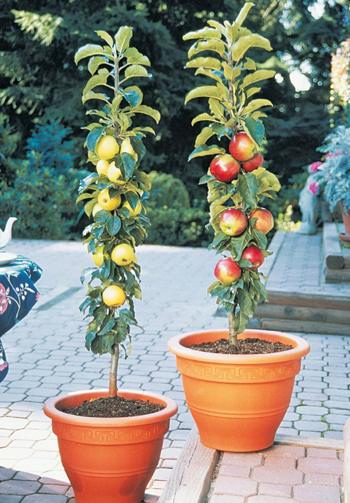
1. Apples can be grown in a container; you can also grow them on the balcony or other small space using a technique called espaliering.
2. Kumquats
3. Avocados (plenty of extra tips online if you search)
4. Blackberries
5. Blueberries (sometimes helpful videos are available online)
6. Pomegranate
7. Cherries
8. Figs
9. Pears

Citrus fruits

Citrus trees in particular are said to be good for beginning gardeners and are easy to grow indoors, so don’t let inexperience or lack of outdoor space stop you from enjoying fresh-picked, hyper-local fruit.
10. Dwarf oranges
11. Grapefruit
12. Tangerines
13. Meyer lemons
14. Limes

Tropical fruits

Tropical fruits can also be surprisingly easy to grow indoors, even in non-tropical climates. Such as…
15. Bananas (look for container gardening tips online)
16. Pineapple
17. Papaya
18. Guavas (several varieties)

The real surprises

19. Hops—yes, as in the “spice” ingredient in beer. Turns out they’re easy to grow!
20. Aloe Vera
21. Strawberries
22. Tea (well, herbal tea)
23. Quinoa!

The non-surprises

24. Tomatoes
25. Summer squash
26. Other squashes, like acorn and pumpkin
27. Hot Peppers
28. Sweet peppers
29. Cucumbers

Melons

30. Small cantaloupe
31. Jenny Lind melon (an heirloom cantaloupe)
32. Golden Midget Watermelon

Herbs

Just about any herb grows well indoors—just be sure that if you’re going to do any container-sharing, you do your research first about which herbs co-habitate well together. (Some will hog water, for example, and leave the others dried out.)
33. Basil
34. Oregano
35. Parsley
36. Rosemary
37. Chives
38. Catnip
39. Thyme
40. Sage
41. Parsley

Leafy Greens

42. Kale
43. Mescalin greens
44. Spinach
45. Swiss chard
46. Lettuces (plenty of options there, from micro-greens to head or loose-leaf)
47. Mustard greens
48. Collard greens
49. Arugula

Root Vegetables

50. Carrots
51. Beets
52. Potatoes

Other healthy-sounding stuff

53. Sprouts
54. More sprouts: mung bean and lentil sprouts
55. Wheat grass
56. Kohlrabi
57. Turnips
58. Rutabagas
59. Celeriac
60. Parsnips
61. Jerusalem Artichoke
62. Sugar snap peas
63. Rhubarb (not ideal in a container, but it can work)
64. Mushrooms (again, more tips online if you look)
65. Pole Beans
66. And… asparagus, although some disagree that it does well in a container. Try it if you’re ok with a risk!
Bonus 67: You can grow your own loofah, too, but you’d need a garden rather than a container for that.
 
Images by Freepik